Guide five
Etiquette and planning: the rules nobody writes down
A British visitor in swimming trunks in a German sauna is breaking the rules; a German visitor without them in a Spanish one is breaking a different set. Neither is in the brochure. Here is what changes at each border, and how to plan a stay that works.
Clothing: the biggest divide in European spa culture
In Germany, Austria, Switzerland, the Netherlands and much of Scandinavia, saunas and steam rooms are textile-free. Swimwear is not merely unusual but usually prohibited, on the reasoning that synthetic fabric holds sweat and chemicals in the heat. Visitors sit or lie on a large towel so that skin does not touch the wood, and walk between rooms in a robe or wrapped in the towel. Mixed sessions are normal in the Alpine countries; many hotels also set aside women-only hours. Nobody stares, nobody comments and the atmosphere is closer to a library than a beach.
Finland is textile-free too but more often separates men and women, and public saunas in particular tend to be single-sex or to have scheduled mixed sessions where swimwear is worn. Iceland is the reverse: swimwear is worn in all pools and lagoons, but the pre-swim shower is taken without it, thoroughly, in a communal shower room, and attendants may enforce this. In Britain, Ireland, Spain, Portugal, Italy, France and Greece, swimwear is worn everywhere in the spa, and a robe over it is standard for moving around. Hungary is a hybrid: swimwear in the thermal pools, with a few historic bathhouses retaining single-sex textile-free sessions on some days, and swim caps required in the swimming — as opposed to soaking — pools.
The practical rule: assume nothing, read the signs at the entrance and, when in doubt, ask. Staff in every one of these countries are used to the question.
Noise, phones and the rhythm of the day
Spa areas across Europe are quiet zones, but the enforcement varies. Alpine and German spas are strictest; conversation in the sauna is kept low or dropped entirely, and a phone in a relaxation room is a genuine breach. Mediterranean resort spas are more relaxed. Thermal towns' public baths are somewhere in between — Budapest's larger bathhouses are sociable places, while Baden-Baden's Roman-Irish circuit is conducted in near silence.
The rhythm matters too. In the Alpine tradition the sauna is used in rounds: a period of heat, a cold shower or plunge, then a long rest before the next round, with the scheduled Aufguss as the high point. Rushing between rooms misses the point. In thermal towns, the day is shaped by the bathhouse's opening hours and by meals; in Finland it is shaped by the light and by the lake. Fitting yourself to the local rhythm rather than importing your own is the surest way to enjoy a spa hotel.
Planning: how long, and when
Length of stay divides by tradition. A thermal town rewards two or three nights — enough to try the public baths at different times of day and walk the colonnades. An Alpine wellness hotel makes most sense at three nights or more, because half board and the sauna rounds only settle into a rhythm on the second day. Medical cure hotels are built around a week or more. Coastal thalassotherapy programmes are typically sold in blocks of several days, though the hotels will happily take a shorter stay without treatments.
On timing, we prefer to reason from trade-offs rather than name a best month. Shoulder periods in the Alps and in Central European spa towns tend to be quieter and more relaxed but carry the risk of closed lifts or reduced bathhouse hours. High season brings full facilities and full timetables but also full relaxation rooms. Northern coastal resorts are transformed by weather; southern ones by heat and crowds. Checking the bathhouse or spa's own published calendar before booking a hotel around it is the one step that reliably avoids disappointment.
Booking: what to arrange ahead
- Treatments. Popular slots — late afternoon, and anything on arrival day — fill first. Book one or two ahead and leave the rest flexible, unless the hotel is small and the therapist team tiny, in which case book everything.
- Public bath entry. In thermal towns, check whether the hotel includes it, and whether historic bathhouses require a timed ticket. Some do, especially for the textile-free circuits.
- Board arrangement. In the Alps, confirm what half board covers; the afternoon buffet is sometimes included and sometimes not, and the difference reshapes the day.
- Dinner sittings. Larger hotels allocate tables and times. If you want a late dinner after a long sauna afternoon, say so when booking.
- Local taxes. Many German, Austrian and Swiss resorts levy a small per-night visitor charge, often called a Kurtaxe, collected by the hotel. It is usually excluded from online rates and sometimes comes with a guest card offering local discounts. Ask what it covers rather than what it costs.
What to pack
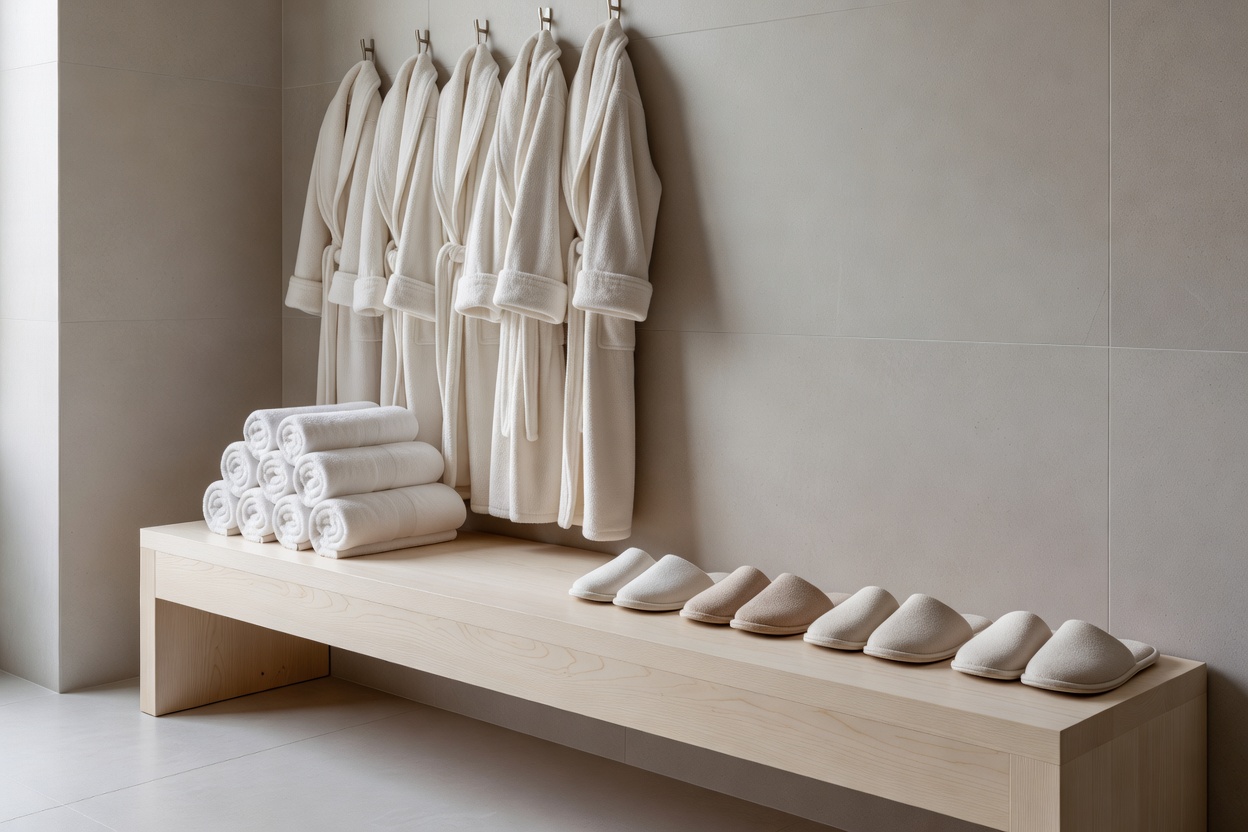
Most European spa hotels provide robes, slippers and towels; British and Mediterranean hotels generally do, Alpine hotels almost always do, and public bathhouses usually rent or sell them. Bring swimwear regardless of destination, because even textile-free spas have swimwear pools. A swim cap is required in Hungarian swimming pools and worth carrying elsewhere in Central Europe. A large towel of your own is useful in Nordic and German saunas, where the house towel may be small. Flip-flops for public bathhouses, a water bottle, and a book for the relaxation room complete the list; leave the phone in the room.
Health, briefly
Heat, cold plunges, mineral water and long soaks are pleasures, not treatments, and they are not suitable for everyone. Anyone who is pregnant, has a heart or circulatory condition, takes medication that affects blood pressure or has any doubt at all should ask a doctor before a spa stay. Hotels will post general warnings but will not assess you, and this site cannot.